thickness from 0,2 mm to 1 cm
Resin floors for healthcare facilities
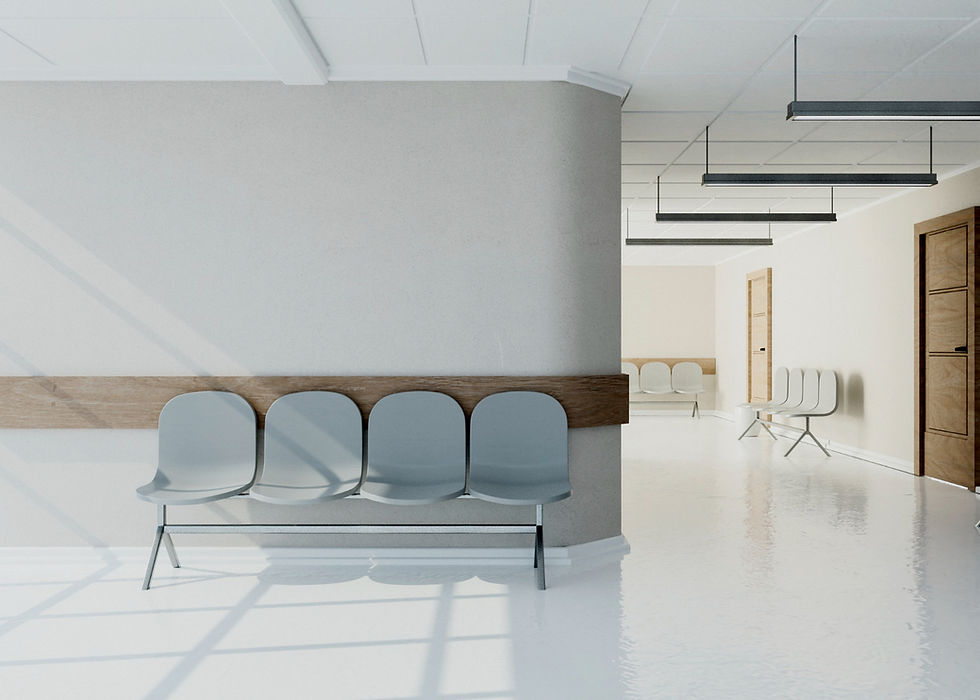
Continuous, hygienic, and high-performance surfaces designed for hospitals, clinics, laboratories, and environments dedicated to care and prevention.
Hygiene
The resin creates a continuous and waterproof surface that prevents the accumulation of bacteria, dirt, and contaminants, facilitating sanitation and daily cleaning.
1
Safety
Flooring designed to ensure stability underfoot, resistance to washing, and the ability to integrate antistatic systems or those specific for sensitive environments.
2
Durability
Resistance to aggressive detergents, disinfectants, and intensive cleaning cycles, with consistent performance over time even in high-traffic environments.
3

What is a resin floor for healthcare facilities?
A resin floor for healthcare facilities is a technical flooring designed to meet the most stringent requirements in terms of hygiene, safety, and surface continuity. Unlike traditional coverings, resin surfaces are completely free of joints and seams, making them waterproof and easily sanitizable.
RPM Italy creates resin flooring specifically for healthcare and medical environments, designed to withstand aggressive detergents, disinfectants, chemicals, and frequent washings, maintaining their functional and aesthetic characteristics intact.
The RPM solutions for healthcare facilities
Based on the type of environment, the required level of sterility, and the relevant regulations, RPM Italia offers different resin systems:


Why choose a resin floor for healthcare environments
Choosing a resin floor for a healthcare facility means adopting a technical solution designed to ensure constant hygiene, safety for operators and patients, and durability over time. Continuous surfaces reduce the risk of contamination, facilitate sanitization, and help maintain tidy and controlled environments, in line with the standards required by the healthcare and medical sector.
Where resin floors are used for healthcare facilities
The resin floors made by RPM Italia are used in a wide variety of healthcare and medical environments, including operating rooms, hospital wards, clinics and outpatient facilities, analysis laboratories, and clean rooms.


Applications in the healthcare and medical field
They are particularly suitable for veterinary clinics, pharmacies, and galenic laboratories, sterilization areas, dental offices, physiotherapy and rehabilitation centers, as well as in departments with sensitive electronic equipment where antistatic or ATEX surfaces are required. In all these contexts, resin represents a reliable solution to ensure hygiene, safety, and operational continuity.

How a resin floor for healthcare facilities is made
The implementation begins with a technical analysis of the environment and specific requirements, such as hygiene level, washing frequency, antistatic needs, or industry regulations. The substrate is prepared through grinding or shot blasting to ensure optimal adhesion of the system.
This is followed by the application of the primer and the selected resin cycle, calibrating thicknesses, finishes, and performances. The result is a continuous flooring that is stable and perfectly compliant with the needs of modern healthcare facilities.
Preliminary analysis of the environment
Every project starts with a technical inspection during which the existing support, environmental conditions, and usage methods of the floor are analyzed to identify the most suitable resin system and to prevent future issues.
1)

Preparation of the substrate
Targeted mechanical processing, such as sanding, grinding, and shot blasting, is carried out to prepare the concrete substrate, or of another type, which is essential to ensure the adhesion of the resin cycle and the durability of the flooring.
2)

Execution of complementary works
Before or during the installation of the resin floor, complementary works are carried out, namely drainage supports, perimeter edges, and skirting boards. These elements help to complete the environment and facilitate cleaning and sanitization.
3)
Application of the resin cycle
Based on the required performance, the installation of the resin floor is carried out following specific cycles. We calibrate thicknesses, finishes, and slip resistance to achieve a continuous, safe, and durable surface.
4)

Final inspection and commissioning
Once the curing cycle is completed, and thus the catalysis of the product, the surface is ready to be used. At the end of the application, the floor is checked in every detail to ensure safety, continuity, and compliance with the project.
5)

Certifications and technical documentation
6)
At the end of the work, RPM Italia provides the client with the technical documentation related to the applied system, including the certifications required for each sector, to support the needs for monitoring and managing the flooring over time.

Request a consultation or a quote
RPM Italia creates outdoor resin floors for homes, businesses, commercial areas, and public spaces. Contact us for a technical assessment and to choose the best system for your project.